


A Good Life, Your Way: What 30 Years in Disability Has Taught Me About Wellbeing
Reflections for International Day of People with Disability | 3 December 2026
When I began working in the disability sector in the early 1990s, the language, expectations and approaches were quite different from those we use today.
Over more than three decades, I've witnessed considerable change. Some of it has been transformative. Some has been frustratingly slow.
We've moved towards greater recognition of individual rights, choice, self-determination and person-centered approaches. Yet there remains a gap between what we aspire to and what people experience in everyday life.
Throughout those years, and across the many different roles I've held, one thing has become increasingly clear to me:
A good life cannot be defined by someone else.
What brings one person joy, purpose, connection and fulfilment may look entirely different for another.
And that's not a problem to solve. It's part of being human.
As we recognise International Day of People with Disability on the 3rd of December, I'd like to reflect on what it really means to support people to live well, on their own terms.
Independence isn't the same as autonomy.
We often associate independence with success.
Being able to do things for ourselves, manage our own lives and rely less on others are frequently seen as markers of achievement.
But is independence always the most meaningful goal?
Someone may require considerable assistance with everyday activities and still exercise significant choice and control over their life.
Conversely, someone may appear independent but have limited opportunities to make decisions about the things that matter most to them.
Independence is about what we can do for ourselves. Autonomy is about having meaningful choice and a say in how we live.
And that distinction matters.
In positive psychology, self-determination theory identifies three basic psychological needs that support wellbeing: autonomy, competence and relatedness.
In everyday language, we all benefit from feeling that we have a say in our lives, that we can use and develop our capabilities, and that we belong.
These needs don't disappear because someone has a disability, requires assistance or communicates differently.
Nor does needing support diminish someone's right to make decisions, take reasonable risks, pursue interests or shape their own future.
After all, none of us is entirely independent. We rely on relationships, resources, communities and other people throughout our lives.
Perhaps the more useful question is "How can we support this person to have greater choice, control and opportunities to live the life they want?"
Seeing strengths, without overlooking barriers
One of the things I value about positive psychology is its emphasis on recognising and drawing upon our strengths, interests and capabilities.
Yet a strengths-based approach is about much more than identifying what someone is good at.
It's about seeing the whole person.
Their personality. Their preferences. Their humour. Their relationships. Their aspirations. Their contributions. Their support needs. The things they enjoy, and the things they'd rather avoid!
It's also about recognising that strengths can be expressed in many different ways.
Creativity isn't limited to painting or writing. Leadership doesn't always involve managing others. Kindness, curiosity, perseverance and humour can be expressed through different forms of communication, participation and connection.
Importantly, being strengths-based doesn't mean overlooking challenges, minimising disability-related experiences or expecting people to maintain a positive attitude.
Nor should resilience become an expectation that people simply adapt to environments that exclude them.
Sometimes the greatest opportunity for change isn't within the person at all.
It's in the environment around them.
An inaccessible building. An inflexible workplace. Information presented in only one format. A lack of appropriate support. Assumptions about what someone can or cannot do.
These barriers can restrict participation, belonging and opportunity.
Rather than asking people to continually adapt to environments that weren't designed with them in mind, we need to become better at creating environments that work for more people.
Inclusion isn't about expecting everyone to fit the same mould. It's about making room for human diversity.
Wellbeing is personal. So are the pathways to it.
In my work as a wellbeing consultant, I often talk about the everyday lifestyle factors that can support our mental wellbeing and brain health.
My PRESENCE model brings together eight interconnected elements: Protect your head, Reduce risks, Exercise, Sleep, Eat nutritiously, Nurture your mind, Connect and Engage your intellect.
But an important principle underpins this approach.
There is no one-size-fits-all recipe for wellbeing.
What supports one person's wellbeing may not be appropriate, accessible, enjoyable or even possible for another.
Take movement, for example.
For some, it might be walking in nature, dancing or swimming. For others, it could involve adaptive exercise, wheelchair sport, supported movement or another activity suited to their interests and circumstances.
Connection might mean spending time with friends, family, colleagues or community groups. It might involve shared interests, online communities, assistive communication technology, or simply enjoying the company of someone who understands and respects our preferences.
Engaging our intellect might mean formal learning, exploring a hobby, solving puzzles, discovering something new or finding creative ways to express ourselves.
And nurturing our minds might involve quiet reflection, self-compassion, music, sensory experiences, time outdoors or other forms of rest and emotional support.
Of course, these opportunities aren't equally accessible to everyone, and some activities may not be possible or desirable for an individual. Health needs, disability-related experiences, resources and personal preferences all matter.
The intention isn't to prescribe what people should do, but to explore what might be meaningful, appropriate and accessible for them.
I like to think of PRESENCE as a menu of possibilities, rather than a checklist of expectations.
The principles may offer useful starting points, but the choices, adaptations and supports need to be shaped by the individual.
And sometimes improving wellbeing is less about changing our personal habits and more about ensuring we have access to the environments, resources, relationships and support that make participation possible.
Belonging shouldn't be conditional
One of the fundamental human needs identified in psychological research is the need for connection and belonging.
Yet belonging is about much more than simply being present.
It's about being welcomed, respected, heard and valued.
It's about having opportunities to contribute, influence decisions and participate in ways that are meaningful to us.
And there's still considerable work to do.
The Australian Institute of Health and Welfare's People with disability in Australia 2026 report highlights that, in 2021, 29% of people with disability aged 15–64 reported often feeling lonely, compared with 17% of people without disability.
These figures invite us to reflect on the social and environmental conditions that can influence opportunities for connection.
We can't assume everyone wants the same kinds of relationships or levels of social interaction. But everyone should have opportunities for connection and participation that respect their preferences.
For workplaces, schools, community organisations and service providers, this raises some important questions.
Are we genuinely listening to people about what matters to them?
Are we recognising the contributions people already make, rather than focusing primarily on their support needs?
Are our environments, activities and communication approaches accessible and inclusive?
And perhaps most importantly, are people meaningfully involved in the decisions that affect their lives?
Building on progress, advancing the future
The theme for International Day of People with Disability in 2026 is "The CRPD at 20: Building on Progress, Advancing the Future."
It marks 20 years since the United Nations adopted the Convention on the Rights of Persons with Disabilities, a significant milestone in recognising disability as a human rights issue.
It's an opportunity to acknowledge progress, while recognising how much remains to be done.
The disability rights movement has long championed a powerful principle:
"Nothing about us without us."
It's a reminder that people with disability must be central to the decisions, policies, services and communities that shape their lives.
After more than 30 years working in the disability sector, I continue to learn from the people I've had the privilege of working alongside.
Their diverse experiences, perspectives and preferences remind me that person-centred practice isn't simply a framework or a set of principles written into a policy.
It's reflected in everyday interactions, opportunities and decisions.
It's about listening before assuming. Asking rather than deciding. Recognising strengths without minimising challenges. Providing support without taking away choice.
And understanding that a meaningful life isn't measured by how closely it resembles someone else's.
Perhaps this International Day of People with Disability, we can all take a moment to reflect on one question:
Are we helping people live the lives they choose, or the lives we think they should live?
Because a good life isn't one-size-fits-all.
And neither is wellbeing.
-----------------------------------------------------------------------------------------------------------------------------------------------------------------------------------------------------
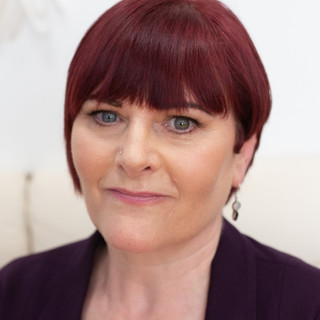
Linda Rowley is a wellbeing consultant, facilitator and positive psychology practitioner who has worked across the disability and community sectors since the early 1990s. She is the creator of PRESENCE, an evidence-informed approach to supporting mental wellbeing and brain health.
References and further reading
· Australian Institute of Health and Welfare (2026). People with disability in Australia 2026.
· International Day of People with Disability (2026). United Nations IDPwD 2026 Theme.
· United Nations (2006). Convention on the Rights of Persons with Disabilities.
· Ryan, R. M., & Deci, E. L. (2000). Self-determination theory and the facilitation of intrinsic motivation, social development, and well-being. American Psychologist, 55(1), 68–78.
· People with Disability Australia. Language Guide: A guide to language about disability.


Comments